
Yoga can hurt you.
To do kind and sustainable yoga, we need to understand injuries. Prevention is good coaching. Yoga can work well for most people. But for yoga poses to do you good and keep feeling good, you need ways of doing yoga that fit you.
A beautiful image of a pose shows beauty, not safety. Some poses could injure you promptly and some injure silently and cumulatively. Be cautious.
We have in recent decades gained many more person-years of experience with yoga and with a much greater variety of people. And sports science and good coaching also help us with yoga. If a pose needs special care to avoid injury, we should not do the pose.
The philosophy of yoga states do no harm. I do not teach poses that can harm.
This list is not comprehensive and not diagnostic. It is a suggestion of what to be cautious about based on experience.
Lubrication
We did not evolve to hold still as much as many of us do. Our joints and muscles and connective tissues need to lubricate moving. And we need to move to get things moving and flowing. Be well hydrated, drink lots of water, and begin slowly each time, move thoroughly everywhere, warm-up. I like dancing. You do what is good for you, but do something, don’t skip warm-up.
Appropriate
Everybody differs. One size does not fit most. Struggling with poses that do not fit you will lead to injury. Ask for poses and ways of doing poses that work for you.
Stability
Bobbling around in a pose yanks all sorts of muscles. Struggling with a pose is not the way to learn.
Stability first. We get to stability by building to it. If you feel unstable in a pose that means you are not ready for it. Do not do it. Ask for a pose that works better for you, and ask for fundamentals that build your ability and stability.
Align
Yoga poses do good built on stability and aligning that you cannot see but can learn to feel. Misaligning a pose lessens the benefits and can lead to injury. Each of us differs and aligns a pose a little differently. Ask for guidance to learn to feel how to align a pose.
Flexibility
We want to increase useful strong suppleness not sloppiness. Maximum possible range of motion is harmful. We’re not here to work at being amateur gymnasts and contortionists. We need to understand and respect how our joints and muscles and connective tissues work.
Range of motion with strength does us good, especially in the ankles, back, and shoulders. Range of motion without strength and control risks injury. And pushing it anywhere risks injury. Do not push yourself and do not allow yourself to be pushed. Yoga works well and does us lots of good without pushing and without flexibility.
Performance
Performance leads to injuries. Pushing yourself to do a bit more at something well structured at the gym may get you some benefit. But pushing yourself or allowing yourself to be pushed at yoga leads to injuries.
Yoga is not gym. Injury, any injury, goes against yoga. And doing yoga poses works differently. Bringing a gym attitude to yoga injures some and pushes away many. Let’s not do that.
Repetitive injury
Some yoga poses can injure you promptly. If you push or get pushed in them, you will feel it right now.
But most of the injuries doing yoga are silent and accumulate. Doing the same pose often will build up muscle imbalance or muscle injury. It hurts; it’s sneaky; it’s hard to find and hard to figure out.
Poses that push your range of motion especially in your back, shoulders, and around your hips risk accumulating small injuries that become painful. Do not push your range of motion. You will become more supple because you do yoga gently and often, not from pushing.
Yoga has many one-sided poses, for example lunges, that are very useful. But one-sided poses can overuse a muscle or use muscle groups unevenly, for example the tfl and hamstrings in tree pose.
Steps & Lunges
Yoga has many one-sided standing poses where we take a step with one leg or do something like a lunge. Misaligning or stepping farther than fits you can put strain in our ankles, knees, hips, or low back which can lead to silent cumulative injury. Focus on how the pose feels for you. How another person looks doing the pose is not how it works for you. Ask for guidance to feel and fit the pose to yourself.
Sit
Yoga has many sitting poses with various leg positions. The legs positions can strain your ankles, knees, or hips. And not having a pose fit you well can get your pelvis and back out of line. Ask for variations on sitting poses that fit you.
Feet
Yoga helps build strong and stable feet. But if your feet are unavailable or hurt or tingle or have numbness standing poses do not work well for you. Do not do them. Ask to do standing and lunge poses in other ways.
Ankles
Yoga poses can help build supple and strong ankles which also does a lot to improve other exercises and moving. But some yoga poses uncomfortably push how you move your ankles. Do not push into discomfort.
Kneeling poses are great unless you cannot comfortably point your toes. Avoid these poses or ask for alternative ways to do these poses. You can also kneel with your feet off the edge of a thick mat, like a folded blanket.
Knees
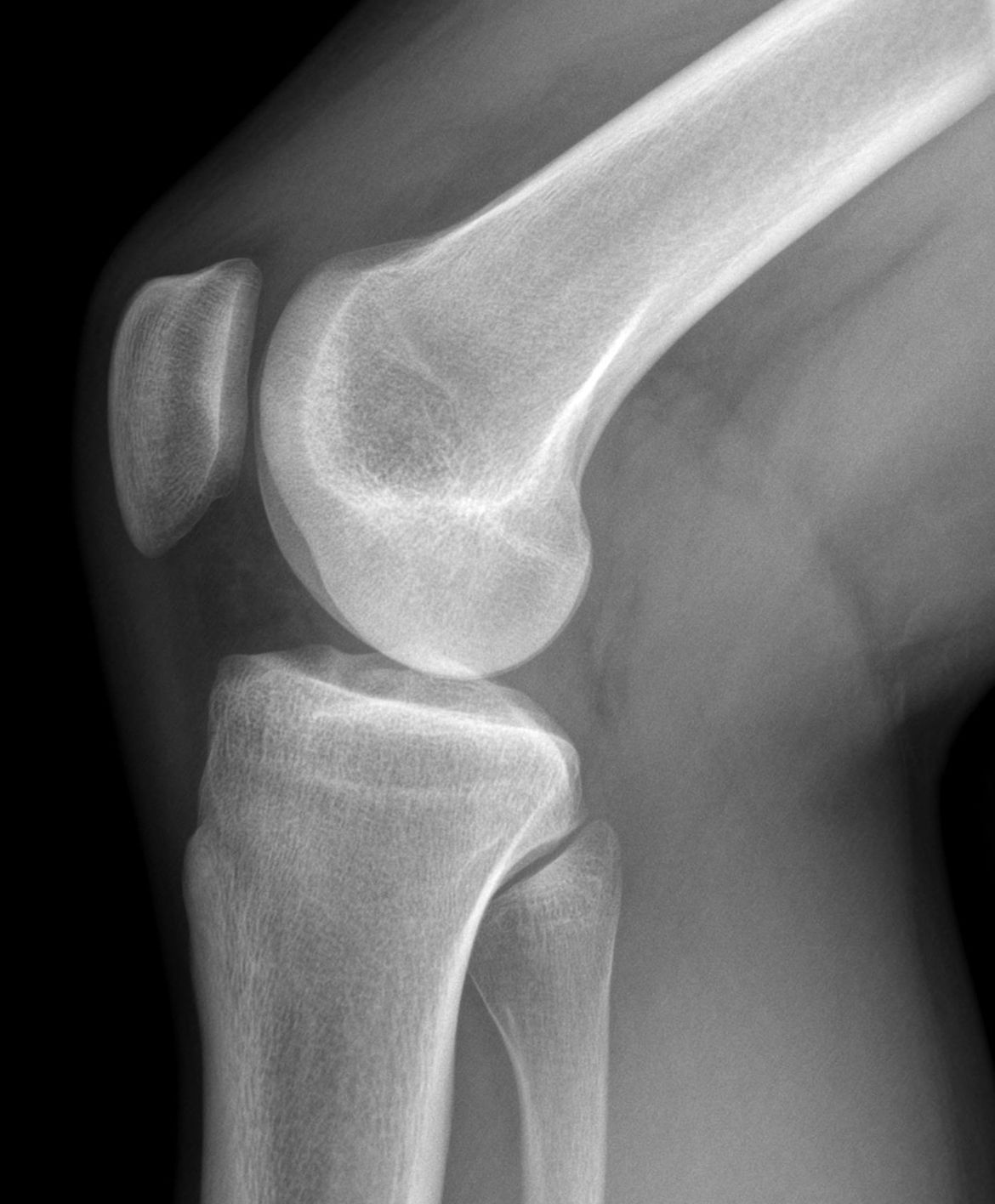
Many of us have tight hips. Yoga poses that rotate our hips can subtly twist strain into our knees. We avoid poses like lotus and pigeon.
We always slightly bend our knees in standing poses to engage our quadriceps muscles and stabilize our knees. We take care aligning lunge poses to avoid driving toque into our knees as we turn our hips or pelvis.
Kneeling poses need to have your hips behind your knees to avoid pressure on your kneecaps. You can feel the difference.
Hamstrings
Our hamstrings, the muscles along the back of our thighs, do not respond well to getting pulled longer. A firm pull does not make them relax and get longer and it can cause problems. So don’t do that.
Hips
Yoga poses can help build supple and strong hips. But persistently pushing the limit of the range of motion of your hips will cause problems.
Back
The cushioning discs between the bones of our backs have strength but also vulnerability that increases with age. Loading our backs and twisting or going too far or too hard twisting or bending invite injury.
We limber our backs before doing yoga, know how our anatomy works, and carefully listen for how it feels when bending or twisting. We take great care with back bends.
How you hold your pelvis shapes how you hold your back. If your pelvis does not align well in a pose then straightening your torso in the pose puts a bend and strain into your back. This turns up most in lunge-like poses. A tilt in your pelvis becomes a bend and pull in your back. Turning your pelvis open then trying to bend forward or back becomes a loaded twist in your back. These poses need getting the pelvis aligned well.
Breathing
Many of us breathe without thought or conscious effort and do not think of breathing as effortful or possibly injuring. But vigorous yoga breathing exercises done inexpertly can injure.
Do not try to copy a video or description.
Yoga can do a lot to improve breathing, and I have helped people with serious breathing problems. But it needs slow and precise teaching.
Shoulders
We have very mobile shoulders, and yoga helps improve our range of motion. But we also need stability and balanced strength.
Weight training coaches and sports medicine recommend stabilizing the shoulder blades to prepare before exercise like a bench press. But the cue “pack your shoulders” is as misleading and harmful as the cue “tuck your tailbone.” We want stability not overcontrolled rigidity that leads to restricted and harmful moving.
I have seen a lot of students with tight shoulders, poor posture, and weak upper backs. We avoid injury and pain by doing the fundamentals that fit the student and build strength and control in their upper back. The upper half of locust pose done gentle is a good start and can also be done seated or against a wall. Adapting training to fit the student’s ability is avoiding injury.
Neck
Some poses risk injury to our necks. We avoid them. We avoid turning or bending our necks too far. Do not hold your head turned as far as you can. We never put weight on our head or neck. No headstand, no shoulder stand, no plow, etc.
Wrists
Stop if pressing with your palms like a pushup gives you discomfort or leads to tingling or numbness. Listen to how you feel.
I teach you sustainable yoga that you can do safely and often and for life. We do not want to cause problems, and we do not want to risk accumulating silent injury. We do not put our full weight on our wrists as they do not take it well. No handstand, no crow pose, etc. We have other ways of doing beneficial inversions.
Poses putting some weight on our hands, for example cat-cow, can do us good and feel good. I modify poses to work for you and protect your wrists. Your hands gripping the back of a chair or the side of the seat work well for many poses. Your hands tilted off the edge of a thick mat or other support also works well for some poses. And you can also do some poses on your elbows.

References
- “How Yoga Can Wreck Your Body” by William Broad, The New York Times Magazine, 5 January 2012
- “When Does Flexible Become Harmful? ‘Hot’ Yoga Draws Fire” by Lorraine Kreahling, The New York Times, 30 March 2004
- “What Is “Yoga Butt” and How to Fix It” by Emily Cronkleton, Healthline, 26 August 2020
- “The one thing NOT to do in the Lotus pose” Muscle and Motion, 21 December 2021 https://www.youtube.com/watch?v=PW5HsgE7LPQ
- “Pigeon Pose | Full Anatomical Analysis + Mistakes to Avoid” Muscle and Motion, 13 June 2021 https://youtu.be/0NvqT1j3000?t=128
- “Wrist pain and yoga” UW Health, 30 July 2019
 Yoga Tutor